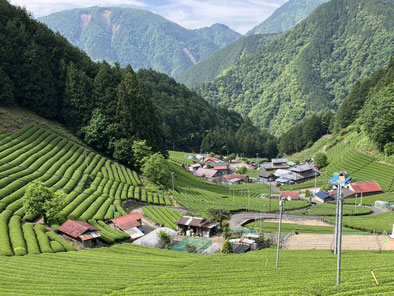
When people think of Shizuoka, they often think of green tea.
This spring, I joined two very different tea harvest experiences in the mountains of Shizuoka, both about an hour from Shizuoka Station. Tea has been part of Shizuoka's identity for centuries. It is said that Shogun Tokugawa Ieyasu, who spent his later years in Shizuoka around 400 years ago, greatly valued tea. Even today, the first tea harvest of the year (shincha) is an important season for many people here.
These tea harvest experiences gave me a chance to learn more about Shizuoka tea, but what I didn't expect was how much I would enjoy the experience itself—from the beautiful scenery and fresh spring air to the people I met along the way.
A TRADITION PASSED DOWN FOR GENERATIONS
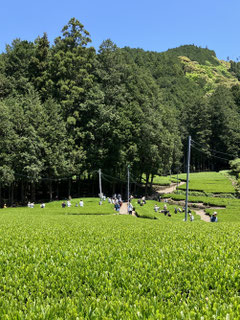
My first experience was at a tea harvesting festival hosted by a family-run tea farm that has been producing tea for more than seven generations.
The tea fields are now cared for by a young tea farmer working alongside his father. Watching them work together was a reminder that tea farming is not only about growing tea—it is also about sharing knowledge, experience, and passion across generations.
The tea fields stretched across the mountainside, glowing with fresh spring green. Under the clear sky, the scenery was breathtaking, while birds sang from the surrounding forest throughout the day.
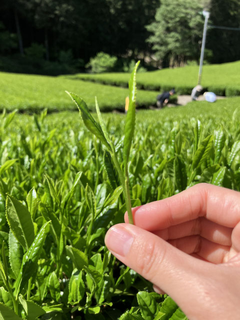
Today, most tea harvesting is done by machine. However, this event focused on producing hand-picked tea, which requires carefully selecting only the youngest leaves. Children and adults worked side by side, each contributing a small part to the harvest.
As we moved through the tea fields, I found myself settling into a gentle rhythm. Picking tea leaves felt almost meditative at times, while the conversations among participants made the experience even more enjoyable.
The hand-picked tea made during the previous year's festival later received top-grade recognition at a regional tea appraisal competition. Knowing that the leaves we picked would also be carefully processed into tea at the family's factory made me appreciate the journey from field to cup.
REVIVING ABANDONED TEA FIELDS
My second tea harvest experience showed me a completely different side of Shizuoka tea.
I was invited by a woman who supports tea fields in the mountains of Shizuoka and works to connect people with the region's tea culture.
The tea field I visited is being maintained as part of an effort to bring abandoned farmland back into use. She has also developed edible tea leaves inspired by Myanmar's laphet, creating a new way for people to enjoy Shizuoka tea.
The atmosphere was very different from the festival. The group was small: the tea farmer, local students, a tea merchant, a few friends, and myself.
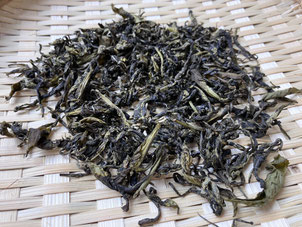
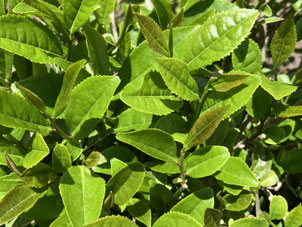
We harvested zairaishu, traditional seed-grown tea plants that are less common today than cultivated varieties. Many of the young leaves were darker than the tea plants I usually see, giving the field a unique appearance.
Later, I made hand-rolled tea myself. The process took far longer than I expected and required much more patience than I had imagined.
When I finally brewed the finished tea, I was amazed by its rich aroma. It was hard to believe that the leaves I had picked and rolled by hand only hours earlier had become such a flavorful and distinctive cup of tea.
Spending time there reminded me that tea fields are more than places where tea is grown. They are part of the stories and traditions that make this region unique.
MORE THAN JUST TEA
These two experiences reminded me that Shizuoka tea cannot be defined by a single story.
One tea farm represents generations of craftsmanship, family tradition, and a commitment to excellence. The other reflects a grassroots effort to care for tea fields, share knowledge, and create new ways for people to engage with tea culture.
At first glance, these two tea fields seemed very different. Yet both showed me how deeply tea is woven into the landscape, culture, and identity of Shizuoka.
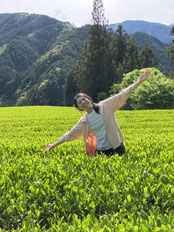
As a guide, I always hope visitors will experience Shizuoka's remarkable places, from World Heritage sites to historic landmarks. Yet these experiences reminded me that some of the most memorable travel moments can also come from spending time with the people who shape the region's everyday culture.
For those who are curious about local culture, willing to slow down, and interested in the stories behind a place, Shizuoka's tea fields offer much more than beautiful scenery—they offer a chance to connect with the people behind the tea.
The next time you enjoy a cup of Japanese green tea, I hope you will think not only about its flavor, but also about the landscapes, communities, and people behind it.
🎬 What happens next? The journey doesn't end at the farms! Discover what happens to the tea leaves after they are picked. Step inside a historic tea workshop in Chamachi, a traditional tea town, and see the amazing skills of the tea marchant. 👉 [Read the next story]
Your Trusted Travel Partner & Guide

Hello, I'm Akane, a tour consultant and guide based in Shizuoka City. I create personalized experiences that help visitors discover the many sides of Shizuoka, from the UNESCO World Heritage site of Mt. Fuji to tea culture, local traditions, everyday life, and opportunities to connect with local people along the way. Whether you are interested in iconic scenery, cultural heritage, or authentic local experiences, I design tours that match your interests and pace. From our first conversation to the final goodbye, I strive to make your journey smooth, comfortable, and memorable. I look forward to welcoming you to Shizuoka and helping you experience the unique charm of this region.
» Learn more about me and Shizuoka U Travel» See my private tours