When people think of Japanese tea, they often picture beautiful green tea fields. But behind every cup of tea is another craft that many visitors have never heard of—the work of a tea merchant.
Recently, I had the opportunity to visit the workshop of a fifth-generation tea merchant. His workshop is in Chamachi (Tea Town), a historic district in Shizuoka City that has long been home to tea merchants and tea-related businesses. At first glance, Chamachi looks like an ordinary neighborhood. But as you wander through its quiet streets, the aroma of freshly processed tea drifts from nearby tea factories. It’s a place that doesn’t reveal itself all at once, but rewards those who slow down and pay attention.
Connecting the Farm to the Cup
Shizuoka City is home to many mountain-grown teas, each with its own distinctive character. These teas can also be enjoyed as single-origin teas, allowing you to appreciate the unique flavor and aroma of tea from each farm.
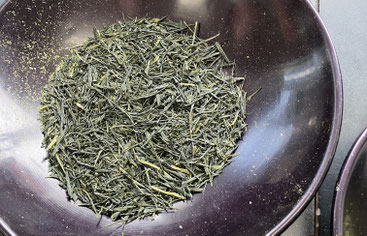
A tea merchant’s work begins with aracha (unrefined tea). They carefully finish the tea through processes such as refining and roasting before it is ready to be sold.
This merchant visit was especially meaningful for me. Earlier this year, I had the chance to experience tea picking at two different local tea farms. The tea merchant I visited finishes the aracha produced by those very farms. Seeing both sides of the journey—from the tea fields to the workshop where the tea is finished—gave me a much deeper appreciation for how many skilled hands are involved in creating a single cup of tea.
📖 Related Post: Curious about where this journey begins? Read about my hands-on green tea picking experience in Shizuoka here!
Stepping Into the Haiken-ba (Tea Examination Room)
As soon as you walk through the entrance of the building, you see a large window and a long counter. This space is called the Haiken-ba (tea examination room).
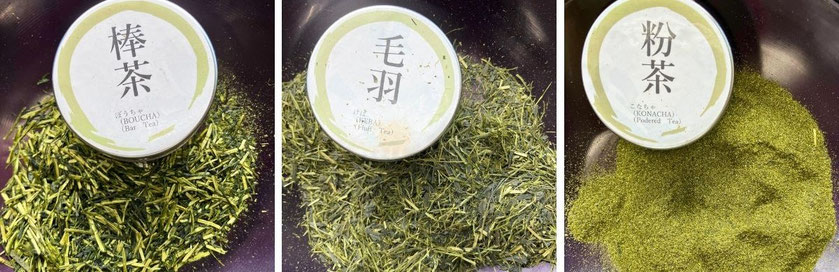
Right at the beginning of my visit, the merchant showed me different types of tea leaves. He placed aracha next to the various elements created after the refining process: the final refined tea (shiage-cha), bocha (bar tea), keba (fluffy leaves and flakes), and konacha (tea powder). It was fascinating to see how a single batch of unrefined tea leaves becomes all these different parts.
During my visit, I had the chance to experience part of their testing work at this counter. At first, watching the tea merchant measure, smell, and taste the tea made it look so easy. But when I tried it myself, I quickly realized how much skill it actually requires. What looked effortless in professional hands was surprisingly challenging for a beginner!
Historically, tea merchants used the natural light coming through the large window to check the quality of the tea. But with a smile, the merchant told me, "Actually, these days, fluorescent lights make it much easier to see!"
The True Craft of Blending
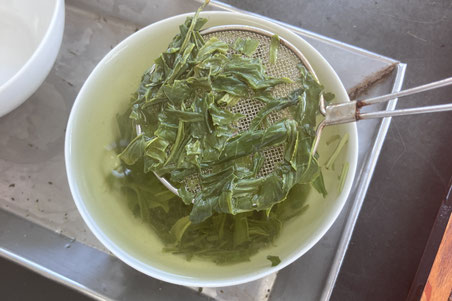
After evaluating the leaves, the tea merchant's major work begins: blending.
The mountain-grown teas in Shizuoka City are lightly steamed (asamushi), producing a clear, delicate cup with a refined aroma. To create a well-balanced tea, merchants often blend these delicate mountain teas with deep-steamed (fukamushi) teas from other parts of Shizuoka Prefecture.
Tea blending is not just mixing leaves; it is a true art that takes years of practice, highly trained senses, and a deep understanding of how different teas complement each other. By bringing out the best of each leaf, they create a perfect cup of tea that is truly special.
This experience gave me a deep appreciation for the profession. Every small adjustment is made with great care—not only for the flavor and aroma, but even for the color of the brewed tea. It reminded me of the skilled, quiet work behind every cup we enjoy.
Create Your Own Shizuoka Blend
If you visit, you can also enjoy creating your own original blend using different teas. By experimenting with different combinations, you’ll discover how even small adjustments can change the character of a tea.
For me, this experience changed the way I think about Japanese tea. I had always appreciated the work of tea farmers, but I came away with a new appreciation for the skill and craftsmanship of tea merchants as well. Their knowledge and experience shape the final cup just as much as the tea leaves themselves.
It’s an experience that reveals a deeper side of Shizuoka’s tea culture—one that many visitors would otherwise never have the chance to see.
Your Trusted Travel Partner & Guide

Hello, I'm Akane, a tour consultant and guide based in Shizuoka City. I create personalized experiences that help visitors discover the many sides of Shizuoka, from the UNESCO World Heritage site of Mt. Fuji to tea culture, local traditions, everyday life, and opportunities to connect with local people along the way. Whether you are interested in iconic scenery, cultural heritage, or authentic local experiences, I design tours that match your interests and pace. From our first conversation to the final goodbye, I strive to make your journey smooth, comfortable, and memorable. I look forward to welcoming you to Shizuoka and helping you experience the unique charm of this region.
» Learn more about me and Shizuoka U Travel» See my private tours